


How To Find The Best K9 Trainer Near You
Finding the right K9 trainer can make a world of difference for both you and your dog. Whether you have a new puppy or a seasoned dog needing some behavioral adjustments, a professional dog trainer can help your furry friend learn essential skills and improve their behavior. This guide will help you navigate through the process of finding the best K9 trainer near you.

Before you start your search for a dog trainer, it’s important to understand your dog’s specific training needs. Different dogs require different types of training, whether it’s basic obedience, advanced K9 training, or behavior modification.
Assessing Your Dog’s Temperament
Understanding your dog’s temperament is the first step in identifying their training needs. Some dogs are naturally more energetic and may require more rigorous training sessions, while others are calmer and may benefit from a gentle approach. Observing your dog’s behavior in various situations can provide insights into their personality.
Identifying Behavioral Challenges
Every dog is unique, and so are their behavioral challenges. Common issues include separation anxiety, aggression, excessive barking, or fearfulness. Identifying these challenges early on will help you choose a training program tailored to address these specific issues effectively.
Setting Training Goals
Setting clear training goals is crucial for success. Decide whether you want your dog to learn basic commands, improve social skills, or prepare for a specific role, like a service dog. Having defined objectives will help in selecting the right trainer and program for your dog.
Types of Dog Training
- Obedience Training: This is the most common form of training and includes basic commands like sit, stay, and come. It lays the foundation for all other types of training. Consistent reinforcement of these commands in various environments ensures long-term success.
- Puppy Training: Ideal for young dogs, this training helps establish good habits early on and addresses issues like biting and house training. Early socialization during this stage is crucial for developing a well-rounded adult dog.
- Behavioral Training: Focuses on correcting specific behavioral issues such as aggression or excessive barking. Understanding the underlying causes of these behaviors can make the training more effective and lasting.
- K9 Training: Specialized training for working dogs, often used by police or military personnel. This type of training requires a deep understanding of canine behavior and advanced skill sets from the trainer.
- Advanced Training: For dogs who have mastered basic obedience and are ready for more complex tasks. This could include agility training or preparing for competitive events, which require precision and discipline.
How to Find a Dog Trainer Near You
Research Local Options
Start by researching “dog training near me” or “k9 training near me” online. Look for trainers with positive reviews and a strong online presence. Websites, social media, and local directories can provide valuable insights into trainers’ reputations and the services they offer.
Utilizing Online Resources
Online platforms like Google, Yelp, and specialized pet forums can be invaluable in your search. They not only list trainers in your area but also provide reviews and ratings from previous clients. Pay attention to detailed reviews that mention specific experiences, as these can offer a clearer picture of what to expect.
Exploring Social Media
Social media platforms such as Facebook and Instagram can be useful for seeing a trainer’s interaction with their clients and dogs. Many trainers share videos and tips, which can give you a sense of their training style and success stories. Engaging with their posts can also provide an opportunity to ask questions and gauge responsiveness.
Checking Local Directories
Local pet directories and community bulletin boards can also be a resource for finding trainers. These directories may include hidden gems not widely advertised online. Don’t overlook local shelters and pet stores, which often have bulletin boards featuring recommended trainers.
Ask for Recommendations
Word of mouth is a powerful tool. Ask friends, family, or your veterinarian for recommendations. They might know of reputable trainers who have worked wonders with their dogs.
Leveraging Personal Networks
Your personal network is a treasure trove of information. Friends and family who own dogs can provide firsthand accounts of their experiences with trainers. They can offer valuable insights into the trainer’s approach, reliability, and results, which is often more trustworthy than anonymous online reviews.
Consulting Your Veterinarian
Veterinarians interact with numerous pet owners and are often familiar with local trainers. They can recommend trainers who have successfully improved the behavior of other patients. Their professional insight can be particularly valuable when addressing specific behavioral issues.
Engaging with Local Dog Communities
Joining local dog walking groups or clubs can connect you with fellow dog owners who might have trainer recommendations. These communities are often eager to share their experiences and can offer advice based on their own training journeys.
Check Qualifications and Experience

When considering a dog trainer, check their qualifications and experience. Look for certifications from recognized organizations like the International Association of Canine Professionals (IACP) or the Certification Council for Professional Dog Trainers (CCPDT). Experienced trainers will have a proven track record of success with various breeds and behavioral issues.
Understanding Certification Programs
Different certification programs have varying criteria, so understanding what each entails can help you evaluate a trainer’s expertise. Programs like the CPDT-KA require a combination of formal education, practical experience, and passing a comprehensive exam, ensuring a certain level of competency.
Evaluating Training Experience
Experience with a wide range of breeds and behavioral issues is a strong indicator of a trainer’s adaptability and skill. A trainer who has worked with diverse cases is likely to have developed effective strategies for various situations, increasing the likelihood of success for your dog.
Reviewing Past Client Success Stories
Ask potential trainers for case studies or testimonials from past clients. Success stories provide evidence of their ability to handle different scenarios and achieve positive outcomes. Look for stories that resonate with your situation, as they can offer insight into how the trainer might help your dog.
Visit Training Facilities
If possible, visit the training facilities. Observe a session to see the trainer’s techniques and how they interact with the dogs. A clean, organized, and safe environment is crucial for effective training.
Observing Trainer-Dog Interaction
Watching a session in person allows you to see the trainer’s communication style and interaction with dogs. This can reveal their patience, attentiveness, and ability to keep dogs engaged. Positive, respectful interactions are key indicators of a good trainer.
Assessing Facility Conditions
The condition of the training facility speaks volumes about the professionalism of the trainer. Cleanliness, safety measures, and adequate space for training activities are essential. A well-maintained facility reflects the trainer’s commitment to providing a high-quality learning environment.
Evaluating Group Dynamics
If observing a group session, notice how the trainer manages multiple dogs and their handlers. Effective trainers maintain control while ensuring each dog receives attention. This balance is crucial for fostering a positive learning atmosphere and ensuring safety.
Evaluate Training Methods
Different trainers use different methods. Some may use positive reinforcement, while others might incorporate corrective techniques. Choose a trainer whose methods align with your values and preferences. Positive reinforcement techniques are generally recommended as they foster trust and cooperation between the dog and trainer.
Understanding Positive Reinforcement
Positive reinforcement involves rewarding desired behaviors, encouraging dogs to repeat them. This method builds a bond of trust and encourages dogs to learn willingly. Understanding the nuances of positive reinforcement can help you assess if a trainer effectively employs this approach.
Exploring Corrective Techniques
Some trainers may use corrective techniques, which involve mild consequences for undesired behaviors. It’s important to understand how these techniques are applied and ensure they are humane and constructive. Discussing these methods with potential trainers can clarify their approach and its impact on dogs.
Aligning Methods with Personal Values
Your comfort with a trainer’s methods is crucial for a successful partnership. If you prefer a gentle, reward-based approach, ensure the trainer shares this philosophy. Clear communication about methods and techniques helps prevent misunderstandings and ensures a cohesive training experience.
Questions to Ask a Potential Trainer
Before making a decision, ask potential trainers the following questions:
- What is your training philosophy? Understanding their approach will help you determine if it aligns with your preferences. A trainer’s philosophy should prioritize the well-being and understanding of the dog.
- How do you handle challenging behaviors? This will give you insight into their problem-solving skills and patience. Their approach to challenges should be adaptive and considerate of each dog’s unique needs.
- What experience do you have with my dog’s breed? Some breeds have specific needs, so a trainer with experience in that area can be beneficial. Familiarity with breed-specific traits can enhance the training process.
- Can you provide references? Speaking with past clients can give you a better understanding of their effectiveness and professionalism. Positive feedback from satisfied clients is a strong endorsement.
- What is the cost and duration of the training program? Ensure the program fits within your budget and schedule. Understanding the financial and time commitment involved helps set realistic expectations.
Benefits of Professional Dog Training
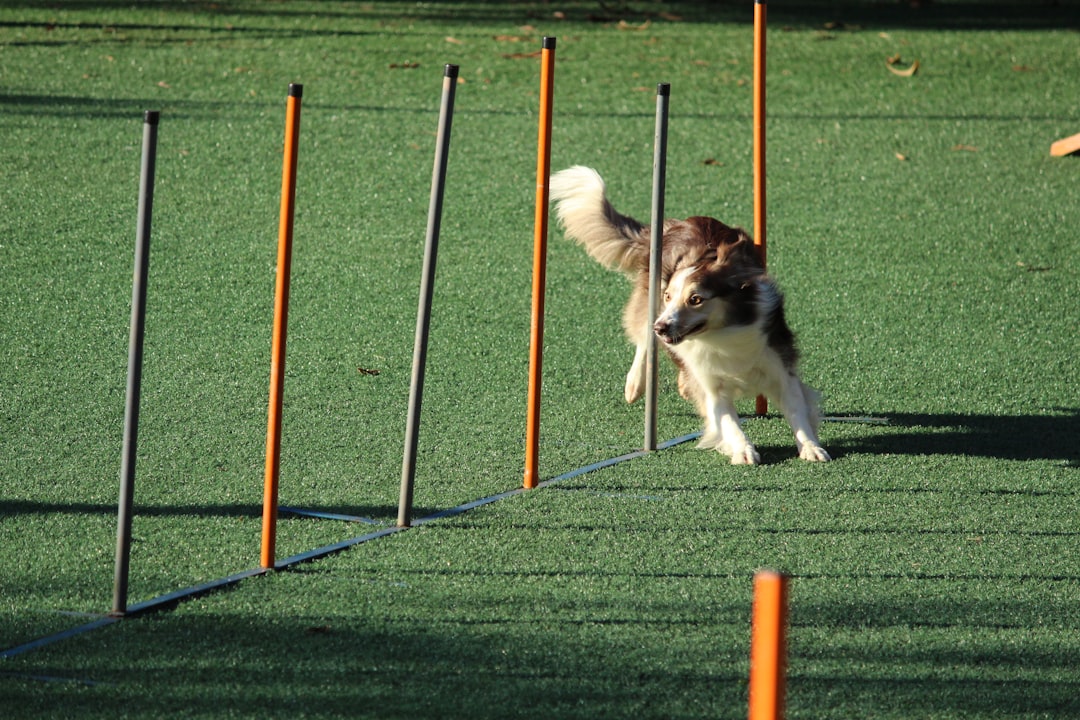
by Murilo Viviani (https://unsplash.com/@mviviani)
Professional dog training offers numerous benefits for both you and your dog:
Improved Behavior
Proper training can address behavioral issues and improve your dog’s overall demeanor. Training provides structure and helps dogs understand expectations, leading to a more harmonious household.
Enhanced Bond
Training strengthens the bond between you and your dog, leading to better communication and understanding. As you work together, mutual trust and respect grow, enhancing your relationship.
Safety
A well-trained dog is less likely to engage in dangerous behaviors, ensuring their safety and the safety of others. Training establishes control in various situations, reducing the risk of accidents or incidents.
Confidence
Training builds confidence in both you and your dog, making outings and social interactions more enjoyable. A confident dog is more adaptable to new environments and experiences.
Enrichment
Mental stimulation from training keeps your dog engaged and prevents boredom. Engaged dogs are less likely to develop destructive behaviors, as training provides a productive outlet for their energy.
Red Flags to Watch Out For
While most dog trainers are dedicated professionals, there are a few red flags to watch out for:
Lack of Certification
Be cautious of trainers without any formal education or certification. Certification ensures a baseline of knowledge and skills, providing reassurance of their competency and commitment to professional standards.
Overuse of Negative Reinforcement
Trainers who rely heavily on punishment or negative reinforcement may not be the best choice for your dog. This approach can damage the trust and relationship between you and your dog, leading to fear-based responses.
Unwillingness to Provide References
A reputable trainer should have no issue providing references from satisfied clients. Hesitation to provide references may indicate a lack of positive feedback or transparency.
No Written Agreement
Ensure there is a clear, written agreement outlining the training plan, costs, and expectations. A written agreement protects both parties and clarifies the terms of the training program.
Making the Final Decision
After you’ve gathered all the necessary information, it’s time to make a decision. Choose a trainer who meets your criteria and makes you feel confident in their abilities. Remember, the goal is to find someone who will not only teach your dog but also empower you to continue reinforcing good behavior at home.
Trusting Your Instincts
Your comfort and confidence in a trainer are just as important as their qualifications. Trust your instincts when making your final decision, ensuring you feel positive about the partnership.
Evaluating Compatibility
Compatibility between you, your dog, and the trainer is crucial for success. A trainer who communicates well with both you and your dog can create a more effective and enjoyable training experience.
Preparing for Commitment
Training is a commitment that requires time and effort from both you and your dog. Be prepared to engage actively in the process and continue practicing learned skills at home for lasting results.
In conclusion, finding the best K9 trainer near you requires research, patience, and careful consideration. By understanding your dog’s needs, evaluating potential trainers, and asking the right questions, you can find a trainer who will set your dog on the path to success. With the right guidance, your dog can become a well-behaved and happy companion, enriching your life for years to come.